
What Is a Binance Third-Party Wallet? A Deep Dive on Security, Features & Risks

When exploring cryptocurrency storage, the term "Binance third-party wallet" often surfaces among users looking for alternatives to the exchange's native wallet. This phrase refers to any digital wallet application developed by an independent company designed to interact with the Binance ecosystem, allowing users to store, send, and receive Binance-supported assets without relying on Binance's own official application.
One immediate advantage of using a third-party wallet is enhanced control over private keys. Unlike Binance's custodial wallet, where the exchange holds the keys to your funds, a third-party non-custodial wallet (such as Trust Wallet or MetaMask) gives you sole ownership. This significantly reduces the risk of exchange hacks or frozen accounts, as the provider cannot access your assets. However, this also means you are fully responsible for seed phrase security; losing that phrase permanently loses your funds.
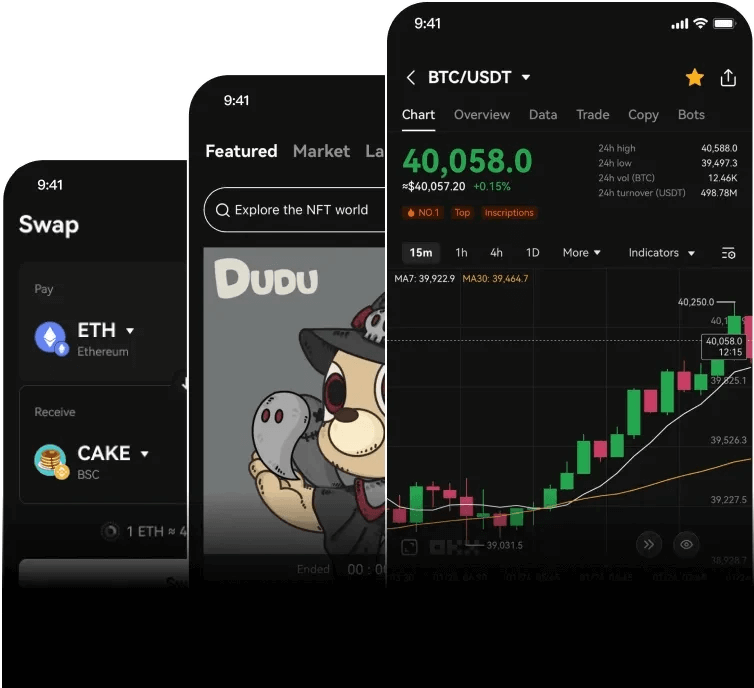
Compatibility is another key factor. Major third-party wallets support Binance Smart Chain (BSC) and Binance Chain, allowing seamless interaction with decentralized applications (dApps), yield farms, and NFT marketplaces that thrive on these networks. Users can swap tokens via integrated decentralized exchanges directly from their wallet, often with lower fees than centralized alternatives. Nevertheless, the connection between Binance and these wallets is critical: you typically need to manually add Binance network RPC details or use wallets that auto-detect the chain.
Security risks exist and deserve close attention. Third-party wallets are not directly audited by Binance, so their code quality varies. While reputable options like Ledger or Trezor (hardware wallets) offer maximum security, software-only wallets are vulnerable to phishing sites and malicious dApp permissions. A common attack vector is approving a fake contract on Binance Smart Chain, which can drain your wallet of BNB and BEP-20 tokens instantly. Always verify the official website URL when downloading such wallets.
Cost considerations also differentiate third-party solutions. While Binance's official wallet charges zero withdrawal fees between internal accounts, third-party wallets require BNB or BSC gas fees for any on-chain transaction. During network congestion, these fees can spike. Additionally, swapping tokens within a third-party wallet involves spread and slippage, which may be less transparent than Binance's fixed-fee order book.
User experience varies markedly. Third-party wallets often feature more advanced interfaces designed for DeFi veterans, which can overwhelm beginners. Features like multi-chain support, staking, and direct fiat on-ramps are common, but important tools like built-in tax reporting or anti-phishing alerts may be absent. Some wallets now integrate Binance’s purchase API, allowing users to buy crypto directly with a card, bridging the gap between decentralized storage and centralized acquisition.
Regulatory considerations are evolving. Since third-party wallet providers are not registered with Binance, they operate under different jurisdictional rules. Some wallets restrict access in certain countries, while Binance’s own withdrawal tools remain universally available (subject to user verification). As global regulators tighten rules around self-custody, third-party wallet usage may face stricter KYC requirements or blockchain address screening.
In conclusion, a Binance third-party wallet offers unparalleled freedom and flexibility for those comfortable with self-custody and DeFi mechanics. It excels for active traders, NFT collectors, and users in regions where Binance itself is restricted. However, it demands strong operational security, gas fee management, and constant vigilance against scams. For most beginners, starting with Binance's official wallet and gradually migrating to a trusted third-party solution after gaining experience remains the safer path.

发表评论