
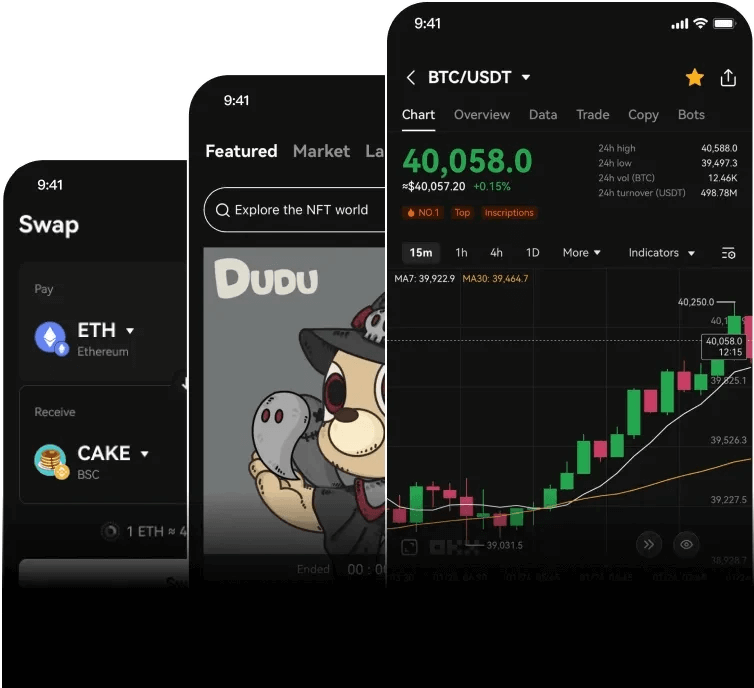
Where Is Binance Wallet Located & How Does It Perform in 2025?

When exploring the cryptocurrency ecosystem, a frequent question arises: "Where is the Binance wallet located, and how does it actually perform?" For users new to Binance or those seeking a reliable self-custody solution, understanding the wallet's exact location within the platform and its overall functionality is critical. This article provides a clear, step-by-step guide to finding your Binance wallet and delivers a practical evaluation of its strengths and limitations.
First, it is essential to distinguish between two primary types of wallets associated with Binance: the exchange wallet (on the Binance.com platform) and the Binance Web3 Wallet (formerly known as the Binance DeFi Wallet). The location of each differs significantly. For the exchange wallet, you simply log into your Binance account. Once logged in, click on "Wallet" in the top navigation bar, then select "Spot." This is where your deposited funds reside. It is a custodial wallet, meaning Binance manages the private keys. For the Binance Web3 Wallet, the location is different. It is not a separate website but a feature integrated directly into the Binance mobile app. To find it, open the Binance app, tap "Finance" at the bottom, then tap "Web3." Here, you can create a new self-custodial wallet or import an existing one using a seed phrase. Alternatively, the Web3 Wallet is also accessible as a browser extension for Chrome and Firefox, located in your browser's extension toolbar.
Now, let us examine "how is the Binance wallet, really?" The performance of these two wallets varies based on use cases. The on-exchange wallet is optimized for fast trading. Its performance is excellent for active traders who need immediate access to liquidity, staking, and Binance's lending products. Transaction speeds for internal transfers are instantaneous, and deposit fees are often waived for certain assets. However, the major drawback is security risk: you do not control the private keys, making your funds vulnerable to exchange-level hacks or account freezes.
In contrast, the Binance Web3 Wallet performs exceptionally well for DeFi interaction. It allows you to connect to thousands of DApps on chains like BNB Smart Chain, Ethereum, and Polygon. Its key advantage is the "Gas Fee Bypass" feature, which lets you pay transaction fees using your Binance account balance, a convenience many competitors lack. Security-wise, it offers solid performance with secure enclave technology for private key storage, but it is not open-source, which raises transparency concerns for privacy-focused users. Additionally, the user interface is intuitive, making it accessible for beginners who want to explore decentralized finance without leaving the Binance app.
In conclusion, if you are asking "where is Binance wallet" and "how does it work," the answer depends on your goal. The exchange wallet is centrally located in your account's "Wallet" section and performs best for centralized trading. The Web3 Wallet is located within the app's "Finance" tab or as a browser extension, and it performs best for true self-custody and DeFi access. While Binance wallets offer high convenience and strong integration with the world's largest exchange, users should weigh the trade-offs between custodial risk and the lack of full open-source transparency when choosing where to store their assets.

发表评论