
1Coin Android Wallet Review: Features, Security & User Experience
The 1Coin Android wallet has become a topic of interest for cryptocurrency enthusiasts looking for a mobile solution tailored to the 1Coin ecosystem. As the official mobile wallet for managing, sending, and receiving 1Coin (1C), this application aims to provide a balance between convenience and security. But does it deliver? Below, we break down the key aspects of the 1Coin Android wallet to help you understand what to expect.
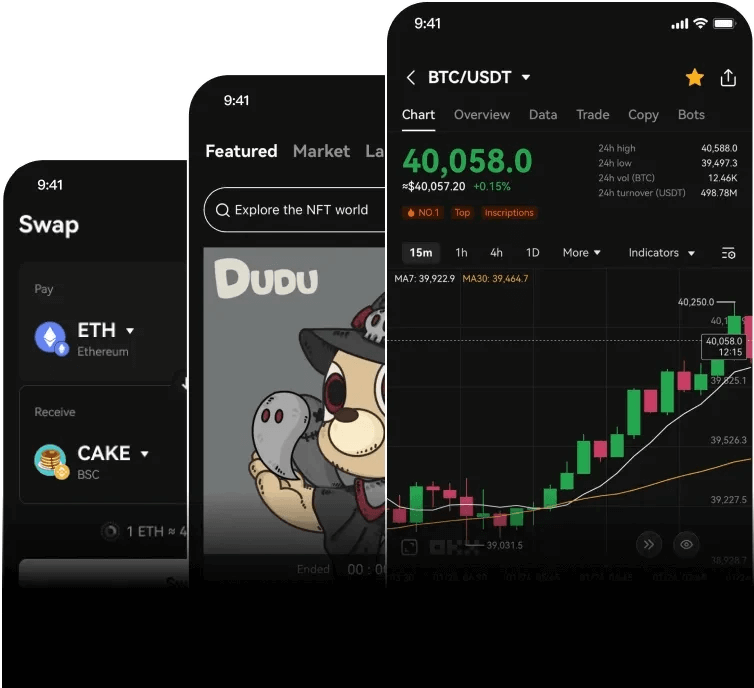
First and foremost, the wallet is designed for direct interaction with the 1Coin blockchain. This means users can generate their own private keys locally on their device, giving them full control over their funds—a fundamental requirement for any self-custodial wallet. The setup process is streamlined: after downloading the app from the Google Play Store, users can create a new wallet or import an existing one using a recovery seed phrase. The interface is clean and intuitive, with clearly labeled buttons for sending, receiving, and viewing transaction history.
In terms of security, the 1Coin Android wallet implements several layers of protection. The private keys are stored securely in the device's encrypted storage, and the app supports PIN code and biometric authentication (fingerprint or face recognition) to prevent unauthorized access. Additionally, the wallet does not transmit private keys over the internet. However, users should be aware that like most mobile wallets, it is not immune to device-level malware or screen recording attacks. For large holdings, the wallet is best used as a daily spending tool rather than a long-term vault.
One of the standout features is the integration with the 1Coin blockchain's native capabilities. Users can send and receive 1Coin instantly with minimal fees, and the wallet automatically calculates the optimal transaction fee to ensure timely confirmations. The in-app QR code scanner makes transactions seamless, and the address book feature allows you to save frequently used contacts. The wallet also displays real-time balance updates and a simple price chart for tracking your portfolio.
On the downside, the 1Coin Android wallet lacks some advanced features found in multi-coin wallets. It does not support staking, decentralized applications (dApps), or token swaps. This limits its utility to basic transaction management. Furthermore, the wallet's open-source code has not been independently audited by a third-party security firm. While the development team has a visible presence on GitHub, some users may prefer a wallet with a proven audit trail.
Performance-wise, the app runs smoothly on most modern Android devices. It requires Android 8.0 or higher and takes up approximately 50 MB of storage. The sync time with the blockchain is reasonable, though occasional network delays can slow down balance updates. Customer support is available through the official 1Coin website and community channels, but response times can vary.
In conclusion, the 1Coin Android wallet is a solid choice for users who need a simple, secure, and dedicated mobile wallet for everyday 1Coin transactions. Its strengths lie in ease of use, local key storage, and native blockchain integration. However, if you require multi-asset support, DeFi access, or a fully audited codebase, you may need to look at alternative wallets. For the core purpose of sending and receiving 1Coin on the go, it gets the job done reliably.

发表评论